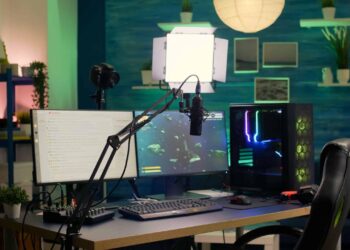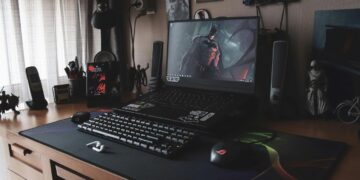

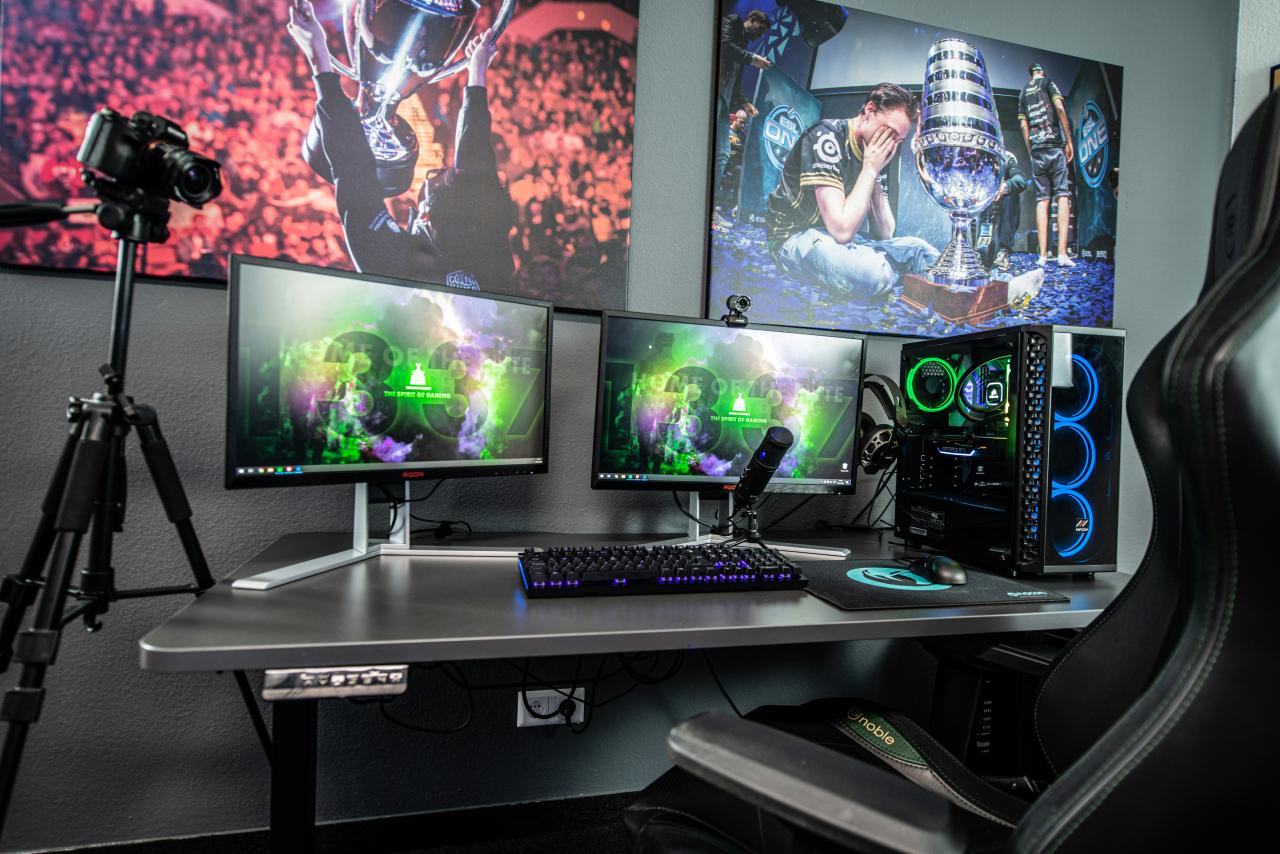
The evolution of interactive entertainment has transformed the traditional hobby of gaming into a high-stakes professional industry centered around real-time audience engagement. We are currently witnessing a global shift where individual creators can command audiences larger than traditional television networks through the power of live broadcasting. Success in this hyper-competitive digital arena requires more than just a high skill level in a specific game; it demands a deep understanding of hardware synergy, network optimization, and the psychology of community building. For a creator to reach elite status, they must master the technical blueprints of high-bitrate encoding, low-latency transmission, and the art of multi-platform distribution.
Navigating this landscape means staying ahead of technological advancements in capture cards, studio-grade audio equipment, and the increasingly complex world of broadcast software. This guide is designed to deconstruct the mechanics of institutional-level streaming, providing you with a masterclass in the strategies used by the world’s top-tier digital entertainers. By focusing on the intersection of professional-grade production value and authentic human connection, you can transform your broadcast into a high-performance media engine. Achieving total sovereignty in the digital entertainment space begins with the mastery of every frame and every interaction sent across the fiber-optic cables.
The Foundation of High-Performance Hardware Architecture
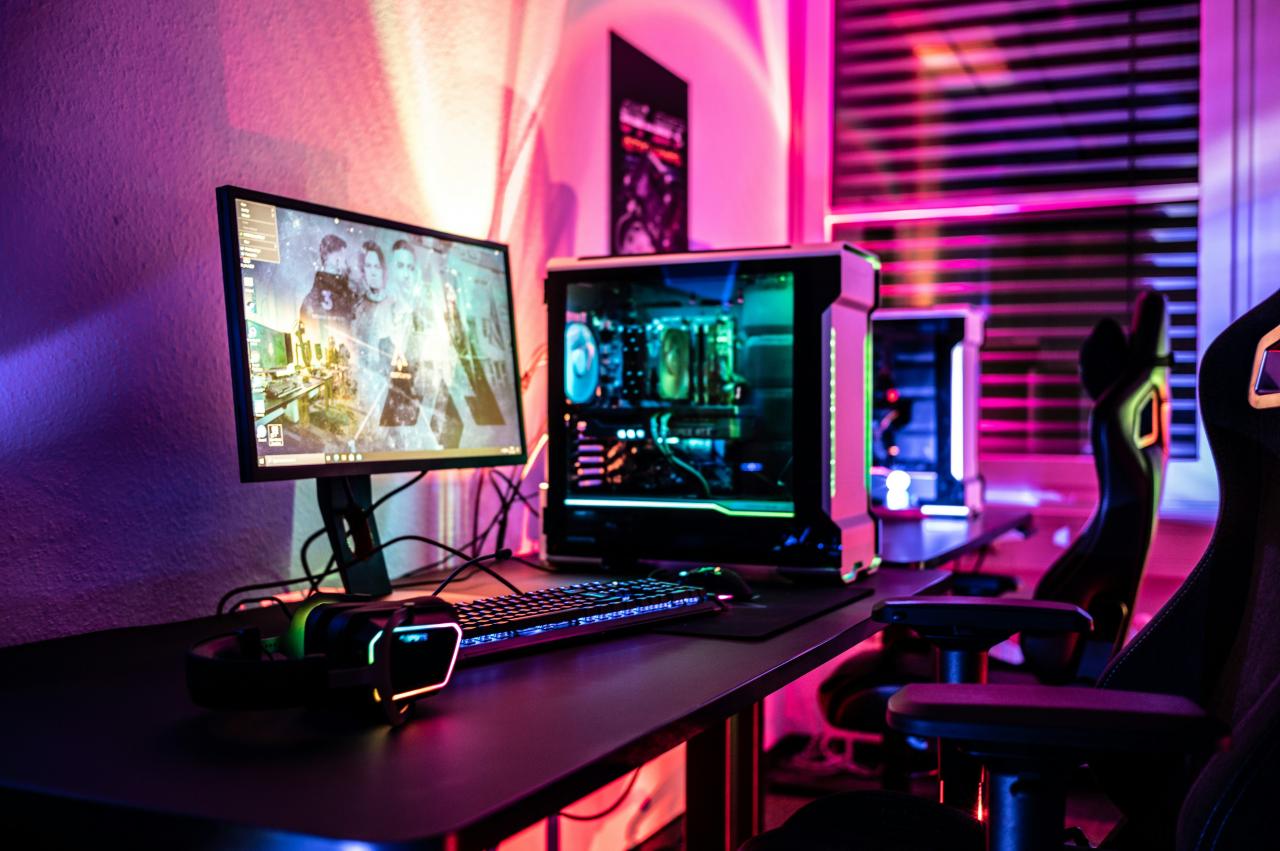
Building an elite broadcasting setup requires a granular understanding of how internal components interact to handle simultaneous gaming and video encoding. You cannot expect professional results from consumer-grade configurations that haven’t been optimized for sustained high-load performance.
A. Dual-PC vs. Single-PC Configuration Mastery
The most advanced broadcasters often utilize a two-computer setup to separate the heavy processing load of the game from the intensive requirements of the video encoder. This ensures that the gaming experience remains smooth while the broadcast maintains a consistent, stutter-free frame rate for the viewers.
B. Selecting High-Bandwidth Capture Solutions
A dedicated capture card is the vital bridge between your gaming device and your broadcast software, ensuring that high-resolution visuals are transferred with zero latency. It acts as a dedicated processor for video intake, reducing the strain on your primary system’s bus lanes.
C. Thermal Management and Component Longevity
Live broadcasting puts a massive, sustained load on your CPU and GPU, making high-end cooling systems essential for maintaining peak performance during long sessions. Liquid cooling and high-airflow cases prevent thermal throttling, which is the primary cause of dropped frames during a live show.
Advanced Video Encoding and Bitrate Optimization
The quality of your visual output is the first thing a viewer notices, and it is determined by the technical settings hidden within your broadcast software. Mastering the math of data compression is what separates the blurry streams from the crisp, high-definition experiences.
A. Understanding H.264 and AV1 Encoding Protocols
The choice of encoder determines how efficiently your computer compresses video data before sending it to the server. AV1 is emerging as the elite standard, offering superior visual fidelity at lower bitrates compared to traditional formats like H.264.
B. Constant Bitrate (CBR) vs. Variable Bitrate (VBR)
For live transmission, CBR is the industry standard because it provides a steady stream of data that prevents buffering and maintains synchronization. Using VBR in a live environment can lead to massive frame drops during high-motion scenes.
C. Optimizing Keyframe Intervals and B-Frames
Fine-tuning these deep settings allows you to balance the load on your hardware while ensuring that fast-moving action remains clear. A keyframe interval of two seconds is generally the sweet spot for most modern streaming platforms.
Professional Audio Engineering for Live Broadcasts
Clear audio is often more important than high-definition video, as viewers will quickly abandon a stream with poor sound quality. Your voice is your primary tool for connection, and it must be treated with the same respect as a radio host’s.
A. XLR Microphone Integration and Preamps
Moving away from USB microphones to professional XLR setups allows for a richer, warmer vocal tone that cuts through the background noise of the game. A dedicated preamp provides the “clean gain” necessary to make your voice sound professional without adding static hiss.
B. Dynamic Range Compression and Noise Gates
Utilizing software or hardware compressors ensures that your voice remains at a consistent volume, whether you are whispering or reacting to an intense moment. A noise gate is essential for cutting out the sound of mechanical keyboards or air conditioners during quiet moments.
C. Digital Audio Workstations (DAW) for Live Mixing
Advanced creators use virtual mixers to route different audio sources—such as music, teammates, and game sounds—into separate channels. This allows for perfect balance and prevents the game music from drowning out the important commentary.
Lighting and Visual Composition Mastery
The aesthetic of your physical space is a direct reflection of your brand’s professionalism and attention to detail. Proper lighting turns a dark bedroom into a high-end broadcast studio.
A. Three-Point Lighting Techniques
Utilizing a key light, fill light, and back light creates a professional “3D” look that separates the creator from the background. This depth makes the image much more appealing to the human eye and helps with facial recognition.
B. Chroma Key Optimization and Green Screen Physics
To achieve a perfect “cutout” effect, the green screen must be lit perfectly evenly to avoid shadows that cause digital artifacts. Even a slight wrinkle in the fabric can cause the background to “flicker,” breaking the immersion for the audience.
C. Utilizing LUTs and Color Correction
Professional broadcasters apply “Look-Up Tables” (LUTs) to their camera feed to ensure skin tones look natural and vibrant. This post-processing step ensures that your camera matches the high-quality color grade of the game you are playing.
Network Infrastructure and Stability Blueprints
The most powerful hardware in the world is useless if your internet connection cannot handle the outbound data stream. Stability is the most important metric for any live broadcaster.
A. Prioritizing Fiber-Optic Upload Speeds
Broadcasting requires a high, stable upload speed, which is why fiber-optic connections are the gold standard for elite creators. Unlike cable, fiber offers symmetrical speeds, meaning your upload is just as fast as your download.
B. Ethernet vs. Wi-Fi Reliability
Wireless connections are prone to interference and packet loss, which are the death of a live stream. A physical Cat6 or Cat7 ethernet cable is mandatory for anyone looking to maintain a professional-grade connection.
C. Network Interface Card (NIC) Optimization
High-end motherboards often include specialized network chips that prioritize broadcast traffic over background updates. You can also use software to “limit” other devices on your network, ensuring your PC gets 100% of the available bandwidth.
Interactive Elements and Audience Engagement Tech
The magic of live broadcasting lies in the real-time interaction between the creator and the community. Technology should be used to amplify this connection, not replace it.
A. Integrated Alert Systems and Overlays
Automated alerts for new subscribers or donations provide immediate positive reinforcement for your viewers. These visuals should be custom-designed to match your brand’s aesthetic and personality.
B. Chatbot Automation and Moderation Logic
Custom bots can handle repetitive tasks like sharing social media links or answering frequently asked questions. They also serve as the first line of defense against spam and toxic behavior in your community.
C. Real-Time Extension and Plugin Integration
Modern platforms allow for interactive overlays where viewers can influence the game or the broadcast through digital commands. This level of gamification keeps the audience invested in the outcome of your session.
Content Strategy and Multi-Platform Syndication
Expanding your reach requires a strategic approach to how and where your content is consumed. You cannot rely on a single platform to build a long-term career.
A. Simultaneously Broadcasting (Restreaming) Strategies
By using specialized relay servers, you can send your live feed to multiple platforms at once without increasing the load on your local internet. This maximizes your potential audience growth by being everywhere at the same time.
B. Vertical Video Adaptation for Short-Form Growth
Successful creators take highlights from their long-form broadcasts and reformat them into vertical clips for mobile-first platforms. This “discoverability” funnel is currently the most effective way to find new viewers.
C. Building a Centralized Community Hub
Redirecting viewers to a private server or website ensures that you maintain a direct line of communication. This protects you from platform algorithm changes that could suddenly hide your content from your fans.
The Psychology of High-Performance Broadcasting
The mental endurance required to perform for hours at a time is a skill that must be trained and refined over years. You are both the athlete and the commentator in this new form of media.
A. Maintaining High Energy and Verbal Flow
The ability to narrate your thoughts and keep a continuous conversation going is what separates professionals from hobbyists. Practice “active narration” to ensure there is never “dead air” during your broadcast.
B. Developing a Unique Broadcast Persona
An elite creator understands their “brand voice” and stays consistent with it throughout every show. This reliability builds a deep sense of trust and friendship with the loyal audience.
C. Managing Burnout and Strategic Scheduling
Longevity in the industry requires a disciplined schedule that allows for rest and creative recovery. Many top streamers fail because they prioritize quantity over quality and burn out within their first year.
Monetization and Professional Business Growth
Transforming a broadcast into a sustainable business requires a deep understanding of multiple revenue streams. Diversity in income is the only way to achieve true financial security in the creator economy.
A. Direct Support through Subscriptions and Tips
Building a loyal core of supporters who provide monthly financial backing is the most stable foundation for a career. This direct-to-creator model removes the need for traditional advertising middlemen.
B. Sponsorship Integration and Brand Partnerships
Elite creators work with brands to integrate products naturally into their broadcast. These partnerships should only be formed with companies that align with your personal values and your audience’s interests.
C. Merchandising and Intellectual Property Expansion
Creating physical products or digital assets based on your brand allows you to monetize your influence outside of your live hours. This creates “passive” income that continues to work even when you are offline.
Future-Proofing Your Broadcast Studio
The technology of live streaming is moving faster than ever before. Staying relevant means being willing to adapt to new tools and audience behaviors as they emerge.
A. Exploring 4K and High Dynamic Range (HDR) Streams
As internet speeds increase globally, the demand for ultra-high-definition content is growing. Being an early adopter of 4K streaming can set you apart from the sea of 1080p broadcasters.
B. Artificial Intelligence in Production Management
AI-driven cameras can now track your movement automatically, and AI audio tools can remove background noise in real-time. These tools allow a solo creator to have the production value of a ten-person TV crew.
C. Virtual Avatars and V-Tubing Technology
The rise of digital avatars allows for a new level of privacy and creative expression. This technology is becoming increasingly accessible, allowing anyone to broadcast as a high-fidelity 3D character.
Conclusion
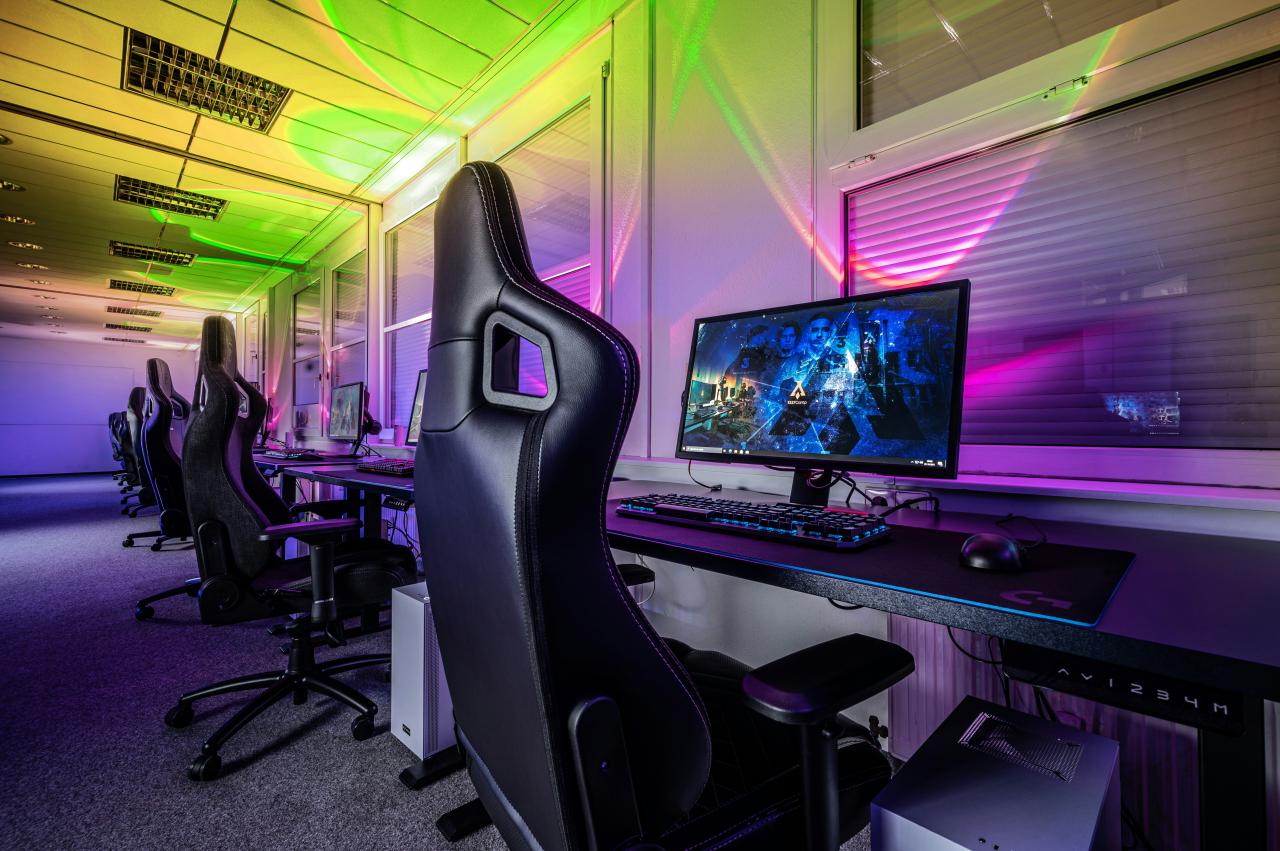
Elite live broadcasting mastery is the ultimate goal for any creator aiming for professional success. This discipline requires a perfect balance between technical precision and authentic human performance. Investing in high-quality hardware ensures that your visual and audio output meets institutional standards. Strategic network optimization is the only way to guarantee a smooth and uninterrupted viewer experience. The synergy of professional lighting and sound creates an immersive environment that attracts loyal fans. Content syndication across multiple platforms is essential for scaling your brand in a crowded market. Building a sustainable business model allows you to turn your passion into a lifelong professional career.
The mental resilience required for daily broadcasting is a skill that grows with discipline and practice. Your broadcast identity is a living asset that must be protected and refined over time. Automation and AI tools should be used to handle the routine tasks of community management. Data-driven decision-making helps you identify which content resonates most with your target audience. The era of casual streaming is evolving into a sophisticated industry of high-performance media production. Every frame and every interaction is an opportunity to build trust and authority with your viewers.
True digital sovereignty is achieved when you own the relationship with your audience across all channels. The blueprints provided here offer a roadmap for moving from a casual gamer to an elite broadcaster. Stay consistent, stay technical, and never stop refining the art of the live performance. The future of entertainment is interactive, real-time, and driven by creators who master the machine.