

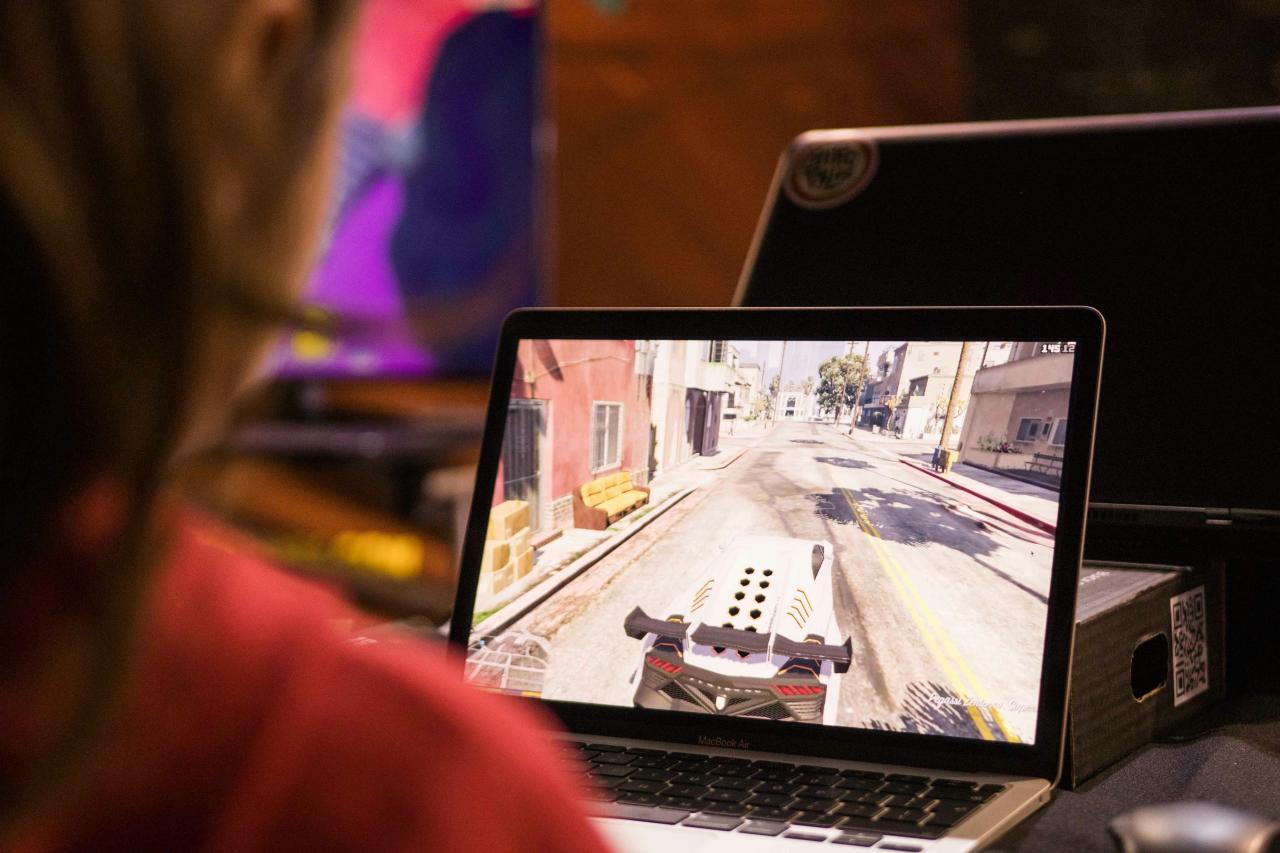
The landscape of interactive entertainment is shifting from local hardware toward a centralized, high-performance streaming model known as cloud gaming. For decades, the quality of a gaming experience was strictly limited by the physical components inside a console or a desktop computer. Today, the emergence of ultra-fast fiber optics and 5G connectivity has enabled a new era where the heavy lifting is done by remote server farms. This transition allows gamers to access triple-A titles on virtually any device, from low-end smartphones to integrated smart televisions. However, the move to the cloud brings unique technical challenges, primarily centered around latency and the preservation of visual fidelity.
Graphics optimization is no longer just about pushing more pixels; it is about intelligent data compression and predictive rendering. As we move deeper into this generation, the synergy between hardware-accelerated ray tracing and cloud infrastructure is redefining our expectations of realism. This article provides an exhaustive exploration of the technologies making this transition possible and how developers are optimizing games for a world without boundaries. We are witnessing the democratization of high-end gaming, where the only barrier to entry is a stable internet connection rather than a two-thousand-dollar GPU.
The Infrastructure of Modern Cloud Streaming
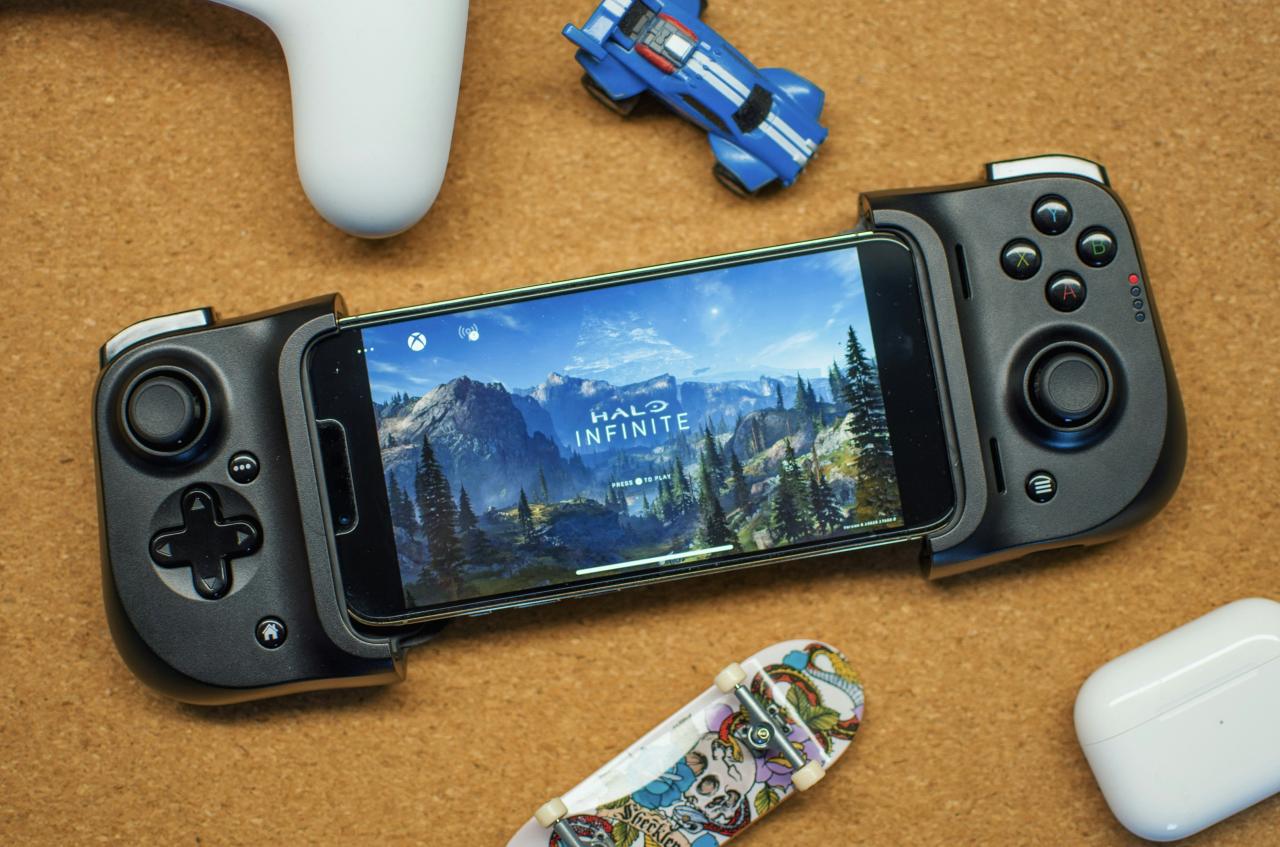
At the heart of cloud gaming is a massive network of data centers strategically positioned to be as close to the user as possible. These facilities house specialized server blades equipped with powerful GPUs that render game frames in real-time.
The process involves capturing the game output, encoding it into a video stream, and transmitting it over the internet to the player’s device. This must happen within milliseconds to ensure the game feels responsive to the player’s inputs.
A. Edge Computing and Points of Presence
To minimize lag, companies use “edge” servers located at the fringes of the network. This reduces the physical distance data must travel, significantly lowering the round-trip latency for the user.
B. Hardware-Accelerated Video Encoding
Modern servers use dedicated silicon to encode video at lightning speeds. Technologies like AV1 and HEVC allow for high-quality visuals even at lower bitrates, ensuring a smooth experience.
C. Dynamic Bitrate Scaling Mechanisms
Cloud platforms monitor your internet speed in real-time. If your bandwidth drops, the system automatically lowers the resolution to prevent the game from stuttering or freezing.
D. Hyper-Converged Server Architectures
By integrating storage, networking, and computing into a single unit, data centers can process game logic faster. This reduces the internal latency within the server farm itself.
E. Global Content Delivery Networks (CDNs)
CDNs ensure that large game files and textures are cached close to the user. This speeds up initial loading times and makes the transition between different game levels seamless.
F. Virtualization of GPU Resources
Multiple users can often share the power of a single high-end GPU through virtualization. This makes cloud gaming more cost-effective for providers and more affordable for players.
Advanced Graphics Optimization Techniques
Optimizing graphics for the cloud is a fundamentally different task than optimizing for a local PC. Developers must focus on “perceived quality,” ensuring that the most important parts of the screen look sharp even during heavy compression.
This is where AI-driven upscaling and variable rate shading come into play. These technologies allow the server to focus its power on the areas where the player is actually looking.
A. AI-Powered Upscaling (DLSS and FSR)
Instead of rendering at a native 4K, servers can render at a lower resolution and use AI to fill in the missing pixels. This reduces the load on the GPU while maintaining a crisp image.
B. Variable Rate Shading (VRS)
VRS allows the engine to reduce the shading detail in areas of the screen that are in deep shadow or moving quickly. This saves processing power without a noticeable loss in visual quality.
C. Texture Streaming and Asset Compression
High-resolution textures are “streamed” in only when they are needed. Advanced compression algorithms ensure these textures don’t take up too much bandwidth during transmission.
D. Ray Tracing in the Cloud Environment
Cloud servers are uniquely suited for ray tracing because they can utilize massive power reserves. This allows for realistic reflections, shadows, and global illumination that would crush a home console.
E. LOD (Level of Detail) Optimization
Objects that are far away from the player are rendered with fewer polygons. This is a classic technique that has been refined for the cloud to minimize data transmission.
F. Frame Rate Stabilization Algorithms
A steady frame rate is more important than a high one in cloud gaming. Optimization tools ensure that the frame pacing remains consistent to avoid a “jittery” feel.
G. Post-Processing Pipeline Streamlining
Effects like motion blur and depth of field are optimized to work with video encoders. This prevents “macroblocking” where the video looks pixelated during fast movement.
Combatting Latency and Input Lag
The biggest enemy of cloud gaming is latency—the delay between pressing a button and seeing the action on the screen. Engineers have developed “input prediction” models to bridge this gap.
Some advanced systems actually predict the player’s next move and pre-render the resulting frames. While this sounds like science fiction, it is becoming a reality through sophisticated machine learning.
A. Low-Latency Input Polling
The controller’s signals are sent directly to the cloud server using optimized protocols. This bypasses many of the traditional software layers that add delay.
B. Predictive Input Algorithms
By analyzing millions of hours of gameplay, AI can guess where a player is likely to aim. This allows the server to start rendering the necessary frames a fraction of a second early.
C. Reflex Technology Integration
Tools like NVIDIA Reflex help reduce the “system latency” within the server itself. This ensures the GPU starts working on a new frame the moment the input is received.
D. Optimized Wireless Controllers
Modern controllers can connect directly to a Wi-Fi router rather than the console or phone. This shaves off several milliseconds of latency by removing the Bluetooth middleman.
E. Jitter Buffer Management
A jitter buffer stores a small amount of incoming data to smooth out small fluctuations in internet speed. This prevents the game from “skipping” when your Wi-Fi fluctuates.
F. Client-Side Interpolation
The player’s device can use basic math to fill in small gaps between frames. This makes the movement look smoother even if a packet of data is lost in transit.
The Role of 5G and Future Networking
The rollout of 5G technology is the “missing link” for truly mobile cloud gaming. With its high bandwidth and low latency, 5G allows for console-quality gaming on a bus or in a park.
Beyond just speed, 5G offers “network slicing.” This allows carriers to dedicate a specific portion of the signal purely for gaming data, ensuring it isn’t slowed down by other people watching videos.
A. Network Slicing for Dedicated Gaming
Slicing ensures that your game stream has a guaranteed lane on the network. This prevents “lag spikes” even in crowded areas like stadiums or city centers.
B. Massive MIMO (Multiple Input, Multiple Output)
This technology allows towers to handle more simultaneous connections. It ensures that cloud gaming remains stable even when thousands of people are using the same cell tower.
C. Ultra-Reliable Low-Latency Communication (URLLC)
URLLC is a specific 5G standard designed for mission-critical tasks. In gaming, it ensures that the connection is as stable as a physical wire.
D. Integration with Wi-Fi 7 Standards
New Wi-Fi standards offer even lower latency for home users. Features like Multi-Link Operation allow your device to send data over two different frequencies at once.
E. Satellite Internet and Remote Accessibility
Low-earth orbit satellites are starting to provide low enough latency for cloud gaming in rural areas. This brings high-end gaming to places that never had high-speed cable.
Game Design for a Cloud-First World
When developers know a game will be played in the cloud, they can design it differently. They can create “massive” worlds that would be impossible to fit on a standard game disc or hard drive.
Cloud-native games can support thousands of players in the same physical space because the server handles all the physics and interactions. This opens the door to truly “massively” multiplayer experiences.
A. Infinite World Streaming
Since the server has access to petabytes of data, game worlds can be virtually infinite. There is no need for “loading screens” as the data is always available to the GPU.
B. Server-Side Physics Calculations
Instead of the player’s CPU calculating how a building collapses, the cloud server does it. This allows for incredibly complex destruction and environmental effects.
C. Persistent Living Universes
In the cloud, the game world can keep changing even when the player is offline. Tens of thousands of AI characters can interact in a shared simulation.
D. Seamless Drop-In/Drop-Out Co-op
Cloud gaming makes it easy to share a game “state” with a friend. You can send a link to a friend, and they can jump into your game exactly where you are in seconds.
E. Integrated Social and Streaming Tools
Cloud platforms can stream your gameplay directly to YouTube or Twitch without any extra hardware. The server simply sends a second video feed to the streaming platform.
F. Cross-Device Save Synchronization
Since the game is running on a server, your progress is always saved in the cloud. You can switch from your TV to your phone mid-session without missing a beat.
The Evolution of User Interfaces in Cloud Gaming
Interfaces must be adaptable because a cloud game might be played on a 6-inch screen or a 60-inch screen. Dynamic UI scaling ensures that text is readable and buttons are clickable regardless of the device.
Furthermore, touch controls are being revolutionized through haptic feedback and customizable overlays. Developers are finding ways to make “virtual” buttons feel as responsive as physical ones.
A. Context-Aware Touch Controls
The buttons on your phone screen change based on what you are doing in the game. If you are driving, you see a steering wheel; if you are shooting, you see a trigger.
B. Dynamic Text and UI Scaling
The game automatically detects the screen size and adjusts the font. This prevents the “tiny text” problem often seen when porting PC games to mobile.
C. Voice-Activated Game Commands
Integrated AI assistants allow players to change settings or perform actions using their voice. This is especially helpful for mobile players who have limited screen space.
D. Haptic Feedback for Mobile Devices
Using the phone’s vibration motor, developers can simulate the feel of different surfaces or weapon recoils. This adds a layer of physical immersion to the cloud experience.
E. Unified Game Launchers and Dashboards
Cloud platforms provide a “Netflix-style” interface where you can browse and launch games instantly. This removes the friction of downloading and installing huge files.
Economic and Environmental Impacts
Cloud gaming changes the economics of the industry by shifting from a “purchase” model to a “subscription” model. This provides developers with a steady stream of income to support their games over many years.
From an environmental perspective, cloud gaming is a double-edged sword. While it reduces the need for millions of plastic consoles, the massive data centers required to run the games consume a significant amount of electricity.
A. Reduction in Electronic Waste
When people stop buying new consoles every five years, the amount of hardware ending up in landfills decreases. A single server can serve hundreds of different players over its lifespan.
B. Data Center Energy Efficiency
Tech giants are investing in “green” data centers powered by wind and solar energy. They are also using innovative cooling techniques, like underwater servers, to reduce power usage.
C. The Shift to Gaming-as-a-Service (GaaS)
Subscriptions like Game Pass or Luna provide value by giving access to hundreds of titles for a low monthly fee. This makes gaming more accessible to people on a tight budget.
D. Lowering the Barrier for Indie Developers
Small studios no longer have to worry about optimizing their games for ten different types of hardware. They only need to ensure their game runs well on the cloud provider’s standardized hardware.
E. Centralized Security and Anti-Cheat
Since the game code is never on the player’s device, it is much harder to “hack” or cheat in cloud games. This ensures a fair and competitive environment for everyone.
Future Horizons: VR and AR in the Cloud
The next frontier for cloud gaming is Virtual Reality (VR) and Augmented Reality (AR). These technologies require extremely high frame rates and ultra-low latency to prevent motion sickness.
Cloud-rendered VR allows for incredibly detailed virtual worlds without the need for a heavy, expensive headset. The headset becomes a simple display device, while the cloud handles the complex 3D rendering.
A. Split-Rendering for VR Headsets
In this model, the cloud handles the complex lighting and textures, while the headset handles the fast head-movement updates. This provides the best balance of quality and responsiveness.
B. Augmented Reality and Digital Twins
Cloud servers can render digital objects that look perfectly integrated into the real world. This is used for everything from interactive “tabletop” games to city-wide AR experiences.
C. Haptic Suits and Full-Body Tracking
Future cloud systems will support more advanced peripherals like haptic vests. The server will process the data from dozens of body sensors to create a perfect digital avatar.
D. Spatial Audio Processing
True 3D audio requires a lot of processing power to simulate how sound bounces off walls. Cloud servers can handle this “ray-traced audio” to create a perfectly immersive soundscape.
E. Metaverse Integration and Persistent Identities
The cloud is the natural home for the “Metaverse,” where your digital avatar can move between different game worlds seamlessly. All your items and achievements are stored on a centralized, secure ledger.
Challenges and the Road Ahead
Despite the massive progress, cloud gaming still faces challenges. In many parts of the world, high-speed internet is either too expensive or simply unavailable.
There are also concerns about “digital ownership.” If a cloud service shuts down, players may lose access to the games they have spent hundreds of hours playing.
A. The Global Broadband Gap
Closing the digital divide is essential for the success of cloud gaming. Until fiber-optic internet is universal, cloud gaming will remain a luxury for certain regions.
B. Data Privacy and User Tracking
Because the game runs on a remote server, providers can track every move a player makes. Establishing clear privacy standards is vital for maintaining user trust.
C. Preserving Game History and Libraries
The industry must find ways to “archive” cloud games so they aren’t lost forever when a server goes dark. This may involve emulators or specialized “preservation” servers.
D. Standardizing Cloud Performance Metrics
We need a standard “score” for cloud gaming quality, similar to how we measure FPS on PCs. This would help users understand if their connection is good enough for a specific game.
E. The “Wait Time” for Server Availability
During popular game launches, users sometimes have to wait in a queue for a server to become available. Improving server density and capacity is a constant battle for providers.
Conclusion
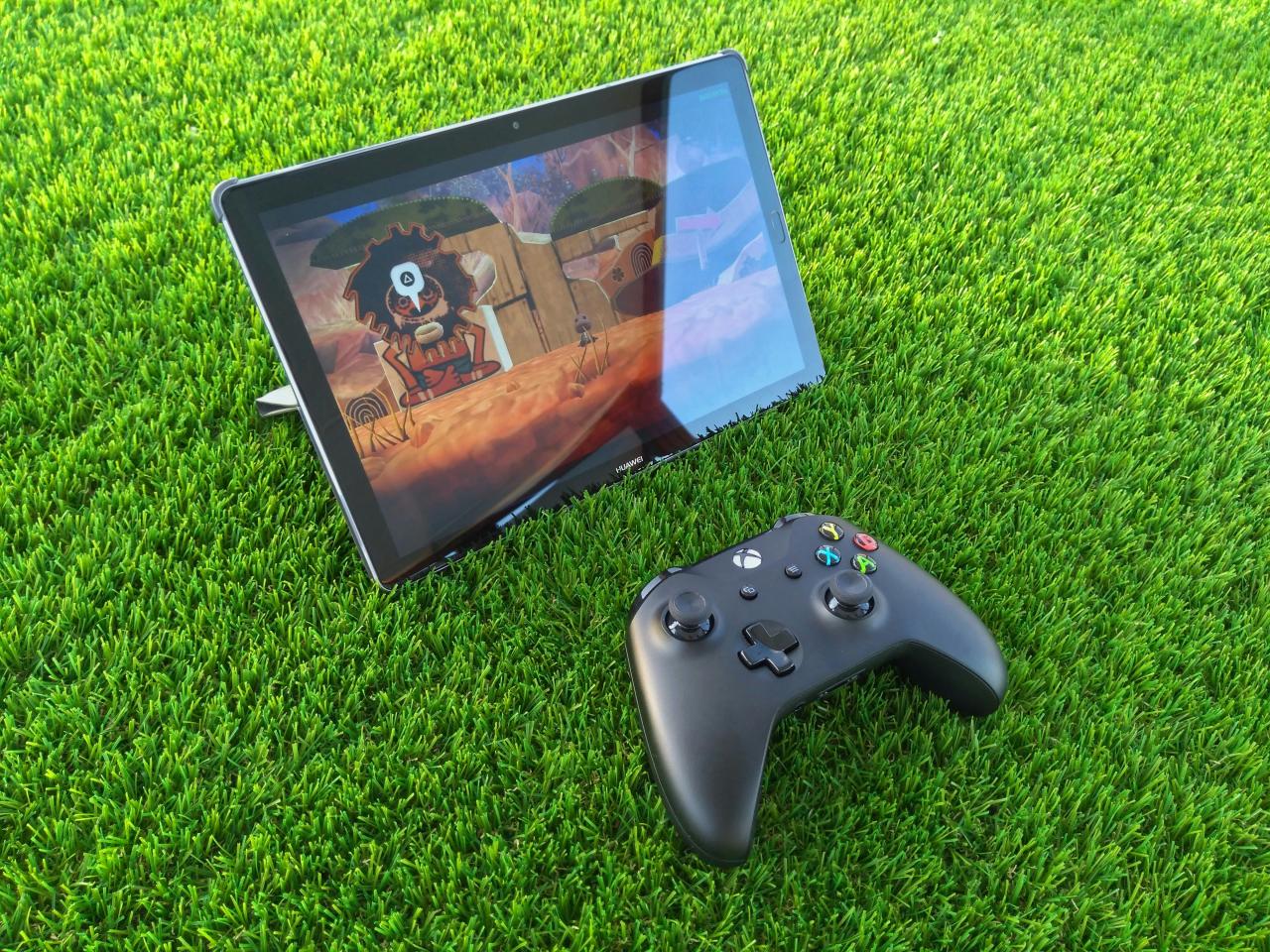
Cloud gaming represents the most significant shift in interactive media since the transition to 3D graphics. Next-gen graphics optimization is successfully bridging the gap between local hardware and remote streaming. The synergy of 5G and edge computing is making console-quality experiences possible on mobile devices. AI-driven technologies like DLSS are essential for maintaining visual fidelity under heavy network compression. Developers are beginning to build “cloud-native” games that offer scale and complexity never seen before. Input lag is being systematically reduced through predictive algorithms and direct-to-cloud hardware. The transition to a subscription-based model is changing the economic landscape for both players and creators.
Sustainability in the gaming sector is being addressed through more efficient, green-powered data centers. Virtual and Augmented Reality will be the next major categories to benefit from centralized rendering power. There are still hurdles to overcome regarding global internet infrastructure and digital ownership rights. The partnership between human creativity and cloud infrastructure is entering its most innovative phase. We are moving toward a future where every screen in our home is a high-end gaming console. The evolution of this technology ensures that the best gaming experiences are accessible to everyone on Earth.