


The emergence of decentralized ledger technology has completely revolutionized how we perceive the concept of ownership and value in the modern world. For centuries, wealth was strictly tied to physical resources like gold, land, or paper certificates issued by central authorities. However, we are now witnessing a massive transition toward a digital-first economy where cryptographic signatures provide the ultimate proof of scarcity and authenticity. This shift has allowed for the creation of unique digital assets that can be traded globally without the need for traditional intermediaries like banks or clearinghouses.
As more institutional capital flows into the blockchain ecosystem, the distinction between “virtual” and “real” value is rapidly disappearing for the average investor. Understanding the underlying mechanics of these assets is no longer just a hobby for tech enthusiasts but a vital skill for anyone looking to build a resilient financial portfolio. We are moving beyond simple currency speculation and into an era where digital property rights are secured by mathematical certainty. This guide will take a deep dive into the various types of blockchain-based resources that are shaping the future of global wealth. We will explore how these assets work, why they hold value, and how you can strategically position yourself in this evolving landscape.
The Fundamental Shift to Decentralized Digital Ownership
The core innovation of blockchain technology is the ability to create “digital scarcity” in a world where everything digital was once easily copied. Before this, a digital file could be replicated infinitely, making it impossible to use as a reliable store of value or a unique asset. With the introduction of distributed ledgers, we now have a permanent record that proves exactly who owns a specific token or piece of data.
A. Authenticating Rarity Through Cryptographic Proof
B. Removing Intermediaries from Value Exchange
C. Global Liquidity and 24/7 Market Access
D. Fractional Ownership of High Value Resources
E. Programmable Value via Smart Contract Execution
Smart contracts allow assets to act autonomously, performing actions like paying out royalties or transferring ownership automatically when conditions are met. This programmability makes digital assets far more efficient and flexible than traditional legal contracts or physical deeds. By removing the middleman, the costs of managing and trading these assets are drastically reduced, allowing for more profit to stay with the owner.
Exploring the Landscape of High Utility Tokens
Not all tokens are created equal, and the most profitable ones are those that provide actual utility within a specific ecosystem. Utility tokens give users access to a product or service, such as decentralized cloud storage or high-speed computing power. As the demand for the underlying service grows, the value of the token required to access it typically increases as well.
A. Governance Tokens for Protocol Decision Making
B. Infrastructure Tokens for Decentralized Services
C. Platform Tokens Powering Layer One Ecosystems
D. Privacy Focused Tokens for Secure Transactions
E. Stable Assets for Value Preservation and Hedging
Governance tokens are particularly interesting because they give holders the right to vote on the future direction of a decentralized project. This is similar to owning voting shares in a traditional corporation but with much more direct influence over the software’s development. Platform tokens, like those used to pay for “gas” or transaction fees, benefit from the total volume of activity happening on that specific network.
The Rise of Digital Property and Virtual Real Estate
Virtual real estate has become one of the most talked-about categories of blockchain assets, with land in digital worlds selling for millions. These assets are essentially plots of digital space that can be developed, rented out, or used for hosting virtual events and advertising. Just like in the physical world, the value of digital land is largely driven by location, foot traffic, and the quality of the surrounding neighborhood.
A. Decentralized Worlds and Metaverse Parcels
B. Commercial Opportunities in Virtual High Streets
C. Rental Income Models for Digital Landlords
D. Developing Interactive Experiences on Virtual Land
E. Cross-Platform Interoperability for Digital Assets
Imagine owning a virtual storefront where users from around the world can browse and purchase digital or physical goods. The ability to monetize these spaces through advertising and digital events creates a recurring revenue stream for the owner. As virtual reality technology improves, the demand for high-quality, well-located digital real estate is expected to grow significantly.
Tokenizing Real World Assets for Global Access
One of the most exciting trends in the blockchain space is the process of “tokenization,” where physical assets are converted into digital tokens. This allows items like fine art, luxury real estate, and even rare commodities to be broken down into smaller, more affordable pieces. Tokenization opens up high-value investment opportunities to a global audience that previously could not afford the high entry costs.
A. Fractionalized Ownership of Luxury Real Estate
B. Tokenized Gold and Other Precious Metals
C. Fine Art and Collectibles on the Blockchain
D. Revenue Sharing Tokens for Private Enterprises
E. Digital Representations of Debt and Credit Instruments
By owning a tokenized fraction of a luxury apartment in a major city, you can benefit from rental income and price appreciation without needing millions of dollars. This process increases the liquidity of traditional “slow” assets, making it much easier to buy and sell them in a matter of seconds. The blockchain acts as the ultimate truth for these tokens, ensuring that the link between the digital token and the physical asset is secure.
The Financial Revolution of Decentralized Finance
Decentralized Finance, or DeFi, is a collection of financial tools that operate entirely on the blockchain without any central bank or corporation. These platforms allow you to lend out your digital assets to earn interest or provide liquidity to decentralized exchanges in return for fees. DeFi has created a “parallel” financial system that is often more transparent and accessible than the traditional banking industry.
A. Liquidity Provisioning and Yield Farming Strategies
B. Decentralized Lending and Borrowing Protocols
C. Automated Market Makers and Trading Fees
D. Yield Aggregators for Optimized Interest Returns
E. Synthetic Assets Tracking Traditional Markets
Yield farming involves moving your assets between different protocols to find the highest possible interest rates at any given time. While this requires active management and an understanding of smart contract risk, the returns can far exceed those of a traditional savings account. As the software becomes more user-friendly, we expect a massive wave of traditional capital to move into these high-yield DeFi systems.
Intellectual Property and the Future of Royalties
Blockchain technology is a game-changer for creators because it allows them to bake royalty payments directly into their digital creations. Whether it is a piece of music, a digital artwork, or a specialized software script, the creator can receive a percentage of every future resale. This ensures that the original artist continues to profit as their work becomes more famous and valuable over time.
A. Automated Royalty Distributions via Smart Contracts
B. Token Gated Access for Exclusive Content
C. Community Owned Intellectual Property Models
D. Licensing Digital Assets for Commercial Use
E. Verifiable Provenance for Historical Collectibles
Token-gated access allows creators to offer special perks, like private concerts or early product releases, only to those who hold their specific token. This builds a strong, direct relationship between the creator and their fans without a middleman taking a large cut of the profit. The permanent history of ownership on the blockchain also eliminates the risk of counterfeit or forged digital items.
Managing Risk in a Volatile Digital Market
While the potential for wealth creation is massive, the digital asset market is also known for its extreme price swings and technical risks. A successful strategy requires a balance between aggressive growth and cautious risk management to protect your capital from sudden crashes. Understanding how to secure your private keys and audit the smart contracts you interact with is a fundamental part of being a digital asset owner.
A. Cold Storage Solutions for Long Term Security
B. Diversification Across Different Blockchain Protocols
C. Evaluating Smart Contract Audits and Team Reputation
D. Setting Disciplined Exit Strategies and Profit Targets
E. Staying Informed on Global Regulatory Changes
Cold storage involves keeping your digital assets in a device that is not connected to the internet, making them nearly impossible to hack. Diversifying your holdings across different blockchains ensures that if one network has a technical failure, your entire portfolio isn’t destroyed. Regulations are also changing quickly, so it is important to know how the laws in your country affect your digital property rights.
The Role of Infrastructure and Scaling Solutions
The success of digital assets depends heavily on the speed and cost of the underlying blockchain networks they run on. Infrastructure projects that help blockchains handle more transactions at a lower cost are becoming some of the most valuable assets in the space. These “Layer Two” solutions act like high-speed highways built on top of the original blockchain to make everything run smoother.
A. Scaling Protocols for High Volume Transactions
B. Interoperability Bridges for Moving Assets Between Clouds
C. Decentralized Storage and Data Indexing Services
D. Oracle Networks for Real World Data Integration
E. Security Frameworks for Cross-Chain Communication
Oracle networks are vital because they allow smart contracts to interact with data from the real world, such as stock prices or weather reports. Without oracles, many of the most profitable blockchain applications simply wouldn’t be able to function correctly. Investing in the infrastructure that makes the entire ecosystem possible is often seen as a “picks and shovels” strategy for the digital gold rush.
Understanding the Psychology of Digital Scarcity
The value of many digital assets is driven as much by community and psychology as it is by the underlying technology. When a community of people agrees that a specific digital item is valuable, it becomes a social signal that can drive demand to incredible heights. Mastering the art of identifying these emerging cultural trends is key to finding the next generation of high-value digital assets.
A. Identifying Social Sentiment and Community Strength
B. The Impact of Influencers and Institutional Adoption
C. Gamification and Rewards for Asset Holders
D. Establishing Cultural Significance for Digital Brands
E. The Power of Network Effects in Asset Valuation
Network effects mean that a digital asset becomes more valuable as more people start using or holding it. Gaming assets are a great example, where a sword or a piece of armor is valuable because of the millions of players who want to own it. As digital lives become more important to people, the “flex” of owning a rare digital asset will likely mirror the status of owning a luxury car or watch.
Developing a Long Term Blockchain Asset Strategy
To truly build future wealth, you must move away from day-trading and start thinking about your digital assets as a ten-year investment. This involves identifying the core technologies that will be the foundation of the internet’s next phase, often called Web3. By holding a diversified basket of utility, property, and infrastructure assets, you can capture the growth of the entire sector.
A. Rebalancing Your Portfolio Based on Tech Cycles
B. Staking and Delegating for Passive Rewards
C. Keeping a Percentage of Liquid Capital for Opportunities
D. Documenting Your Security and Succession Plan
E. Constant Learning in a Fast Evolving Environment
Staking allows you to earn rewards simply by helping to secure the network with your existing tokens, which is a great way to grow your holdings. A succession plan is vital to ensure that your family can access your digital wealth if something happens to you. The blockchain space moves faster than any other industry, so staying curious and humble is the only way to remain profitable over the long run.
Conclusion
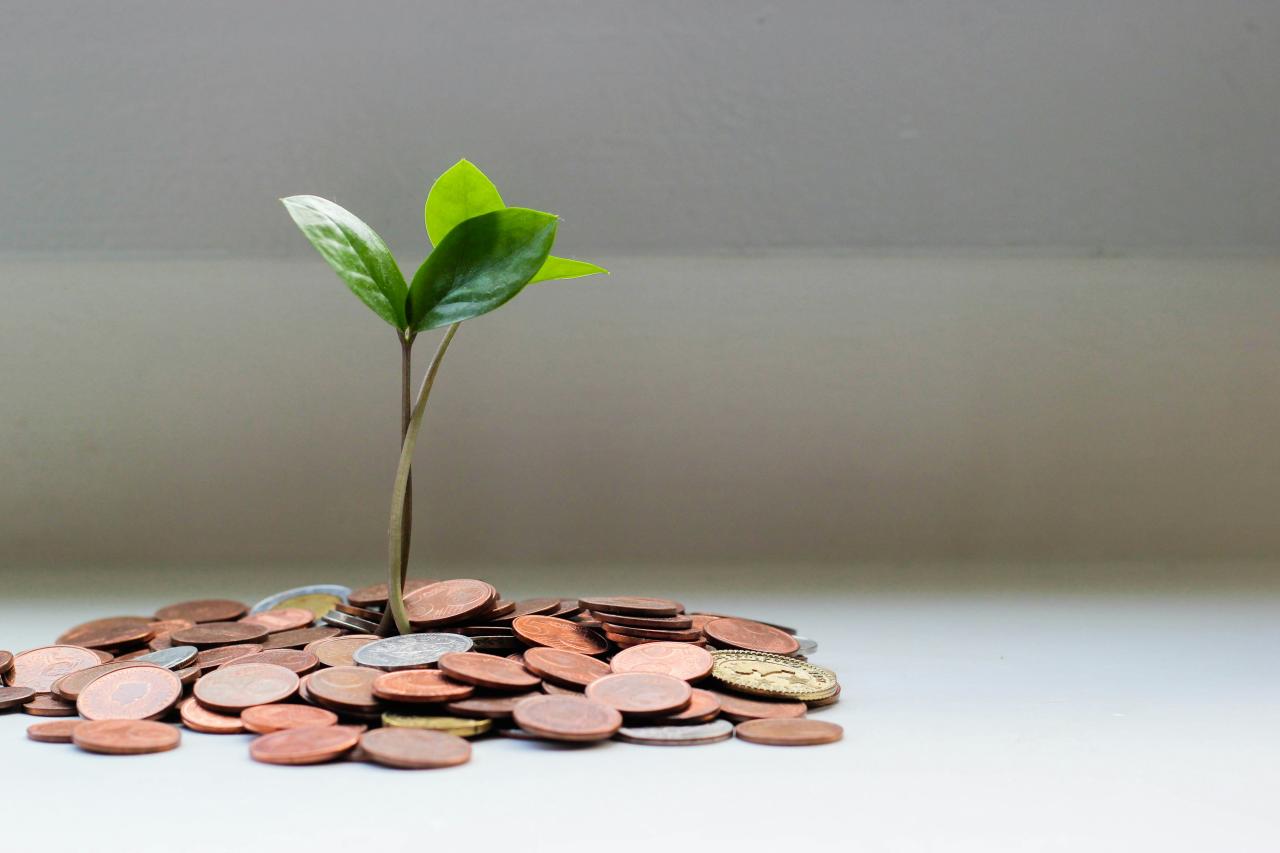
Blockchain technology has fundamentally changed the way we think about owning and growing wealth. Digital scarcity is now a reality that allows for the creation of unique and valuable virtual properties. Investing in utility-driven tokens ensures that your assets are backed by real-world demand and services. Tokenization is bringing massive liquidity and accessibility to traditional markets like real estate and fine art. Decentralized finance provides a powerful alternative to traditional banking for earning high interest on your capital.
The ability to program royalties into digital assets creates a more fair and profitable future for all creators. Managing your security through cold storage is the only way to truly protect your digital fortune from hackers. Infrastructure and scaling solutions are the backbone that will allow this entire ecosystem to reach billions of users. Understanding the social and psychological drivers of value is just as important as understanding the code itself. The future belongs to those who view digital assets as a long-term pillar of their financial independence.